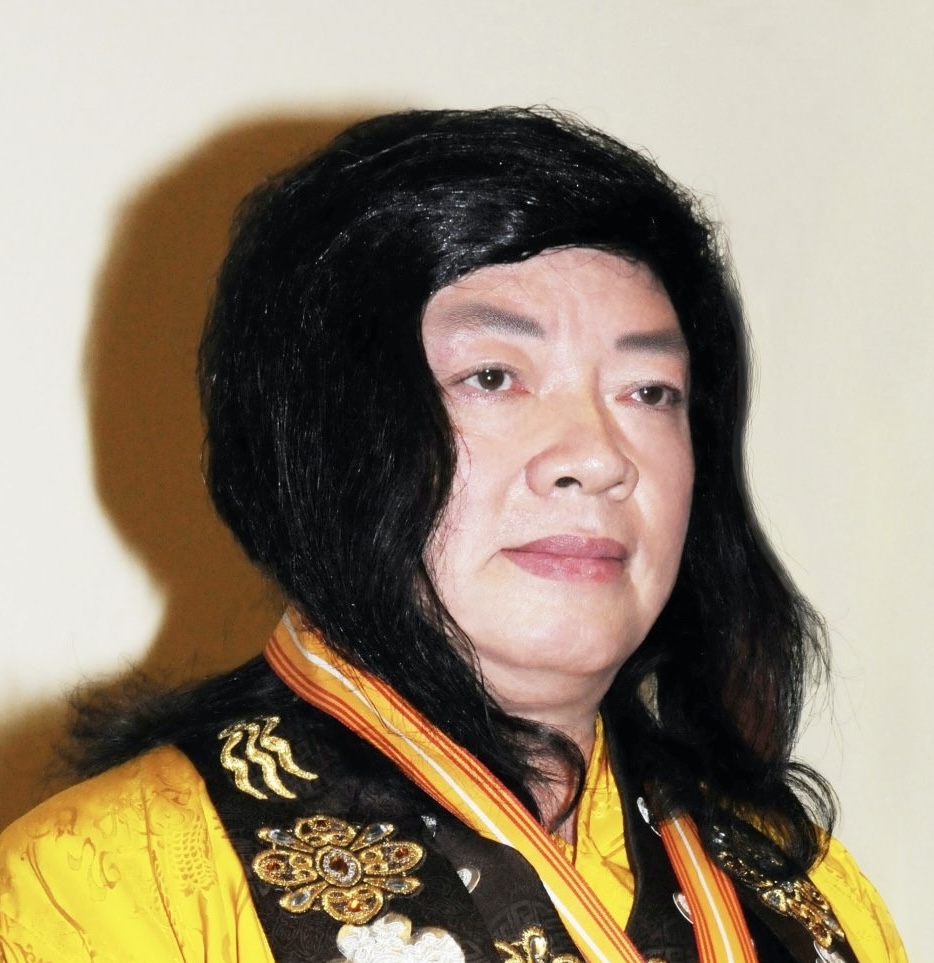
H.H. Dorje Chang Buddha III has very clearly said that in cases where someone needs help (people who actually need it and deserves it), we should give money to them. This is just one of the many reasons I think my Buddha Master doesn’t receive offerings. My Buddha Master doesn’t receive any offerings from anyone, no matter if they’re poor or wealthy. This is an anomaly in Buddhism.
Below are erroneous view #79 and #80 that my Buddha Master told us not to make (preliminary translations of the Chinese sutra).
…
79. Acknowledging that people must pay money in exchange for learning dharma or listening to dharma
This kind of phenomena has existed from ancient times to now. Based on this view, one must first pay money before one is allowed to learn dharma, listen to dharma, or enter a temple. Thus, one cannot learn or listen to the dharma without the payment of money. I previously encountered this type of situation when I was in certain temples. People in the temple would often say, “Did you bring an offering today? Do not enter the temple unless you brought an offering. If you did not bring an offering of money, you are not allowed to listen to the lecture on the sutras and dharma. Today only those who brought an offering may enter the temple! Only those who make an offering may go into the dining hall to eat. Others are not allowed.” That is very bad. There are wealthy people and poor people. We should care for the well-being of all of them. If they truly are poor, we should even give them money. We should not say that they must offer money before they are allowed to learn dharma, listen to dharma, or eat. That would be incorrect and absolutely impermissible.
80. Acknowledging that listeners of the dharma may treat audio dharma recordings with disdain
Some people who listen to the dharma do not respect recorded oral dharma discourses and treat such discourses flippantly. They think that since they are not required to pay money in exchange for listening to the dharma, they will not make any offerings of money. They think that there is nothing that they need care about and that they can just casually listen to dharma discourses. This is being disrespectful toward the Three Jewels. This offense of treating recorded oral discourses on the dharma disrespectfully will in and of itself prevent one from attaining accomplishment. The Buddha-dharma is so precious. How can you treat it disrespectfully? You should try to help out with an offering if you can. However, if you truly are in financial difficulty, you should still listen to the dharma even though you do not make an offering. You may listen once, one hundred times or even one thousand times. Your master will help you. However, if you are able to help out with an offering but do not do so due to selfishness, narrow-mindedness, and/or your view that the Buddha-dharma is less important than worldly matters, you can still listen to the dharma. Nonetheless, you thereby plant the seeds of karmic conditions that will prevent you from becoming accomplished.
Note: Use control (if you’re using Windows) +F or command (macOS) + F, and then type a word to find within that word in the webpage. Use this to find the specific parts that talk about offerings.
…
1. In the history of Buddhism of several thousand years, it was mentioned in the sutras taught by Sakyamuni Buddha that the act of a disciple making offering to the Three Jewels or to a master who transmitted a dharma is in effect farming a land of fortune and also belongs to the basic manner of courtesy. It is what a disciple should do. As to why H.H. Dorje Chang Buddha III does not accept offerings, does that reflect the good virtue of Buddhism? Today, we clearly inform cultivators: The answer is no! The purpose is for preventing masters of evil views from using the name of H.H. Dorje Chang Buddha III as excuses to deceive cultivators. Because of that consideration, in order to protect cultivators from being seduced by greedy masters, H.H. Dorje Chang Buddha III completely gave up the offerings He should have accepted according to the stipulation of the teaching. This is also the first such act by a Buddha in Buddhism and is unprecedented.
Previous posts I wrote related to this post: